
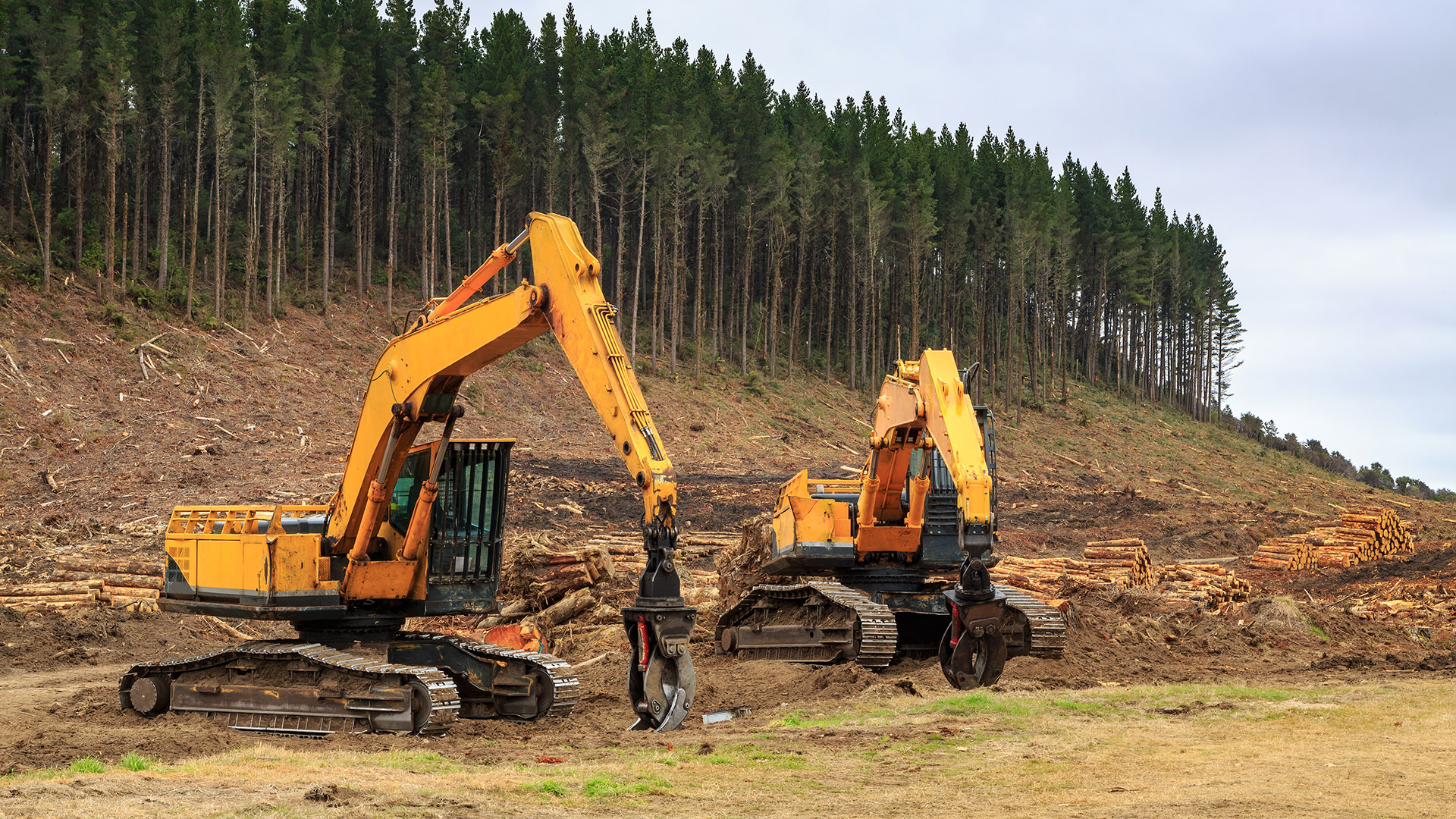
High Court upholds personal liability on forestry directors for environmental costs
A recent New Zealand High Court decision¹ has reinforced that company directors can be held personally liable for environmental damage caused by forestry operations.
The court determined that the directors of the companies involved should have taken action to clean up the forestry work. Failing to do so resulted in safety concerns: the land was prone to erosion and was steeply forested, resulting in a downstream of left-over woody debris, slash and sediment that was harmful to the environment and could be harmful in a flood.
The appeal affirmed the decision reached in the Environment Court in 2025.
The result of the High Court’s decision means that company directors in the rural forestry sector must take notice of the work completed on site and actively take steps to avoid issues. Directors cannot avoid liability by relying on corporate structures alone.
The directors had a duty to ensure consents and the Resource Management Act 1991 were complied with, and their failure to do so had serious financial consequences for them. As directors may be found personally liable, the culpability and costs for environmental breaches may not be limited to the assets of the company and may have financial implications for the directors personally.
Wilding pines: Budget 2026 injection
Wilding pines are self-seeded conifers. These trees can have environmental benefits including providing timber and shelter, storing carbon, decreasing erosion, and improving water and soil when planted correctly.
However, wilding pines can cause issues including invading tussock grasslands or native landscapes, drying out water catchments and raising the risk for wildfires. The impact can differ depending on the area.
To help manage wilding pines, in the 2026 Budget the government committed an additional $79 million to be spent over the next three years on the National Wilding Conifer Control Programme lifting the total committed funding to $109 million. The funding will go towards protecting farmland, water supplies, reducing wildfire risk in affected areas and the protection of native biodiversity.
New Zealand’s pine industry has become one of the country’s most important land uses shaping the economy, environment and rural communities. Managed plantations earn billions in export revenue each year. Wilding pines can jeopardise this.
The funding increase reflects New Zealand’s value for biosecurity protection and forward future-based thinking. Managing the spread of wilding pines will be mitigated through collaborative governance as volunteers, landowners, iwi and community trusts are also committed towards wilding pine control.
Rural Roading Resilience investment
Rural roads are relied on by communities, tourists and freight operators; damage to these roads can lead to communities being cut off in severe weather events and a risk to health and safety of those on the road. These roads provide, amongst other things, access for freight, school transport, tourism and emergency access.
The 2026 Budget committed funds to the Rural Roading Resilience project. Its purpose is to strengthen roads rather than continually repairing them once the damage is done. The Budget allocated $400 million towards a package of state highway resilience upgrades.
When severe weather events damage rural roads, access to the wider rural community can be limited until the issues are rectified. Strengthening roads before an issue arises aims to limit the impact of severe weather events on rural communities and to allow freight routes to continue with minimal disruption.
The funding will be used towards improving drainage, slope stabilisation and rockfall protection. It will also fund the development of flood mapping systems and emergency management tools, including hazard maps and evacuation or emergency information. This will help local councils and communities to plan for flood risks. The focus will be on predicted areas of consistent vulnerability. It is hoped better preparation will minimise the long-term costs incurred by taxpayers.
¹ Samnic Forest Management Ltd v Gisborne District Council [2026] NZHC 1880.
DISCLAIMER: All the information published in Rural eSpeaking is true and accurate to the best of the authors’ knowledge. It should not be a substitute for legal advice. No liability is assumed by the authors or publisher for losses suffered by any person or organisation relying directly or indirectly on this newsletter. Views expressed are those of individual authors, and do not necessarily reflect the view of this firm. Articles appearing in Rural eSpeaking may be reproduced with prior approval from the editor and credit given to the source. © NZ LAW Limited, 2026. Editor: Adrienne Olsen, Adroite Communications. E: adrienne@adroite.co.nz. M: 029 286 3650.